Get Landscape Mulching
Landscape mulching services offered by local contractors help improve soil health, control weeds, prevent erosion, and enhance the appearance of gardens and landscaped areas.
Landscaping projects often include mulching to enhance a property's appearance, improve soil health, and reduce maintenance needs. Property owners in the area may consider landscape mulching services to create a polished, well-maintained outdoor space that adds value and curb appeal. Whether planning a new landscape design or refreshing an existing yard, exploring local contractors can provide options tailored to specific aesthetic and practical goals.
By comparing local service providers, property owners can find experienced professionals who understand the unique needs of the area’s landscape. Accessing multiple options allows for informed decisions about the scope and style of mulching that best suits individual properties. Keep reading to discover how local contractors can help achieve a landscape that is both attractive and functional.
- Landscape Mulching - homeowners seeking to improve curb appeal and protect garden beds from weeds.
- Garden Bed Mulching - property owners wanting to retain soil moisture and reduce maintenance around plants.
- Erosion Control Mulching - sites prone to soil erosion needing stabilization and soil preservation.
- Tree Mulching - individuals looking to enhance tree health and prevent weed growth at the base of trees.
- Play Area Mulching - parents or caretakers preparing safe, cushioned surfaces for outdoor play areas.
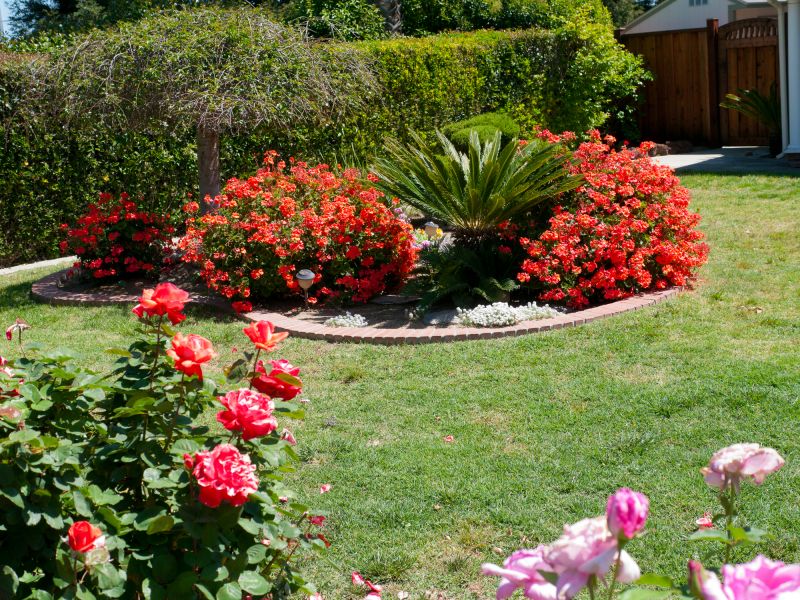
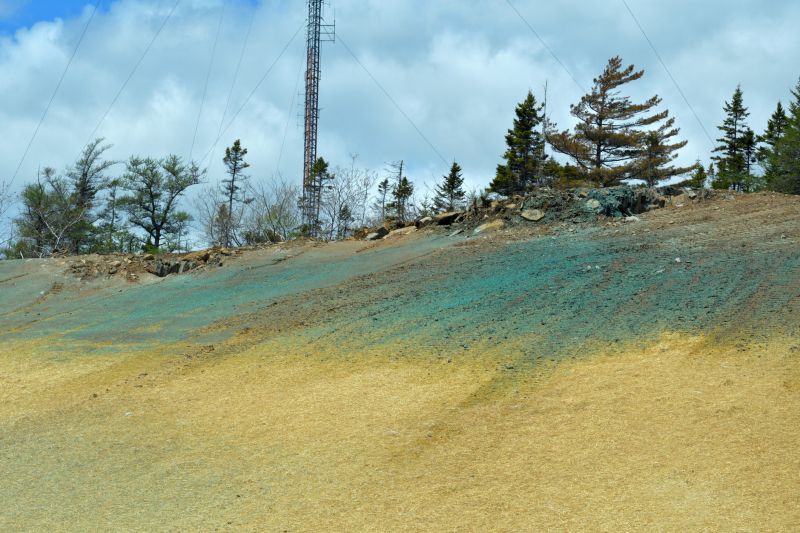
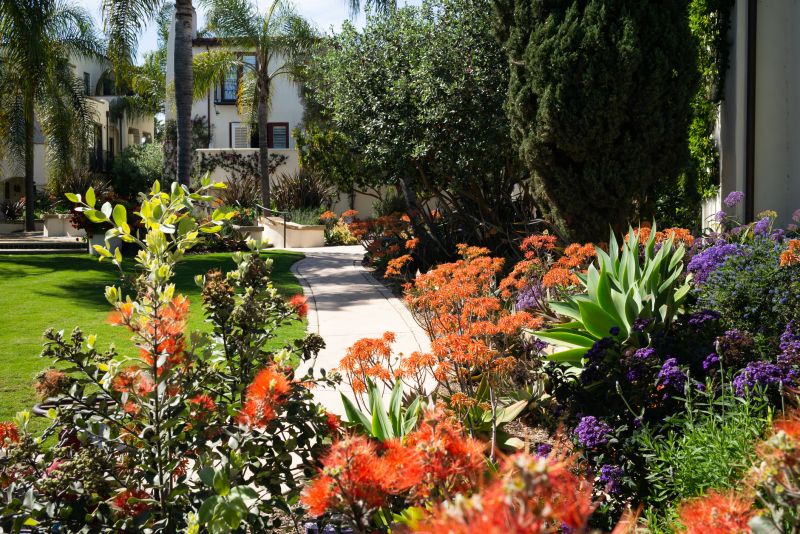
Landscape mulching services involve the application of various types of mulch materials around plants, trees, and garden beds to enhance the appearance and health of outdoor spaces. This process typically includes preparing the existing soil, spreading mulch evenly, and ensuring proper coverage to create a neat, uniform look. The right mulch can be made from organic materials such as wood chips, bark, or compost, or inorganic options like rubber or gravel, depending on the property’s needs and aesthetic preferences. These professionals focus on creating a clean, polished landscape that not only looks attractive but also provides a functional layer of protection for plants and soil.
Using mulch can help address several common landscaping problems. It acts as a barrier against weeds, reducing the need for frequent manual removal and chemical weed control. Mulching also helps retain soil moisture, which is especially beneficial during dry periods, and it regulates soil temperature to protect plant roots from extreme heat or cold. Additionally, mulch can prevent soil erosion on sloped properties and improve overall soil health as organic mulches decompose over time. These benefits make mulching a practical solution for homeowners seeking to maintain a healthy, low-maintenance yard.
Properties that typically use landscape mulching services include residential homes with gardens, flower beds, and lawns, as well as larger estate properties. It is particularly popular among homeowners who want to improve curb appeal and reduce yard work. Mulching is also common around trees and shrubs to promote healthy growth and protect roots from damage. Commercial properties, parks, and community landscapes may also benefit from professional mulching to create a tidy, inviting appearance while supporting plant health. Service providers can tailor mulching solutions to suit the specific requirements of different property types and landscape designs.
Homeowners often turn to landscape mulching services when they want to enhance their outdoor spaces or address specific landscaping challenges. It is especially useful when dealing with weed control, soil erosion, or moisture retention issues. Mulching can also be part of a broader landscape improvement plan, helping to define garden beds and create a cohesive, well-maintained look. Whether for a small residential yard or a larger property, local contractors who specialize in mulching can provide the expertise needed to select the right materials and apply them effectively. Contacting a professional can help ensure the job is done properly, resulting in a healthier, more attractive landscape.
The overview below groups typical Landscape Mulching projects into broad ranges so you can see how smaller, mid-sized, and larger jobs often compare in your area.
In many markets, a large share of routine jobs stays in the lower and middle ranges, while only a smaller percentage of projects moves into the highest bands when the work is more complex or site conditions are harder than average.
Smaller Mulching Jobs - Typically range from $250 to $600 for routine projects like flower beds or small yards. Many local contractors handle these within this range, which covers basic mulching services for standard-sized areas.
Medium-Sized Projects - Usually cost between $600 and $1,500, encompassing larger landscaping areas or multiple beds. Most projects fall into this middle tier, reflecting moderate complexity and size.
Large or Complex Installations - Can range from $1,500 to $3,500 for extensive mulching work around large properties or intricate landscaping designs. Fewer projects reach into this higher range, which involves more materials and labor.
Full Mulch Replacement or Commercial Jobs - Larger, more involved projects can exceed $5,000, especially for full-property mulching or commercial landscapes. These higher-tier jobs are less common but handled by experienced local service providers for complex needs.
Actual totals will depend on details like access to the work area, the scope of the project, and the materials selected, so use these as general starting points rather than exact figures.
Garden Bed Edging - This project involves defining garden spaces with materials similar to mulching, requiring planning, material selection, and installation skills that local contractors can provide.
Planting Bed Installation - Creating new planting beds often involves soil preparation and layout planning akin to mulching projects, handled by local service providers.
Landscape Design and Planning - Developing comprehensive landscape plans includes selecting mulching areas and materials, which local pros can help implement effectively.
Weed Barrier Installation - Installing weed barriers under mulch requires site preparation and material handling skills that are common among landscape service providers.
Soil Amendment and Fertilization - Improving soil quality for planting beds involves techniques similar to mulching, with local contractors offering these services.
Pathway and Walkway Installation - Laying out and constructing pathways involves planning and material placement skills parallel to mulching projects, performed by local experts.
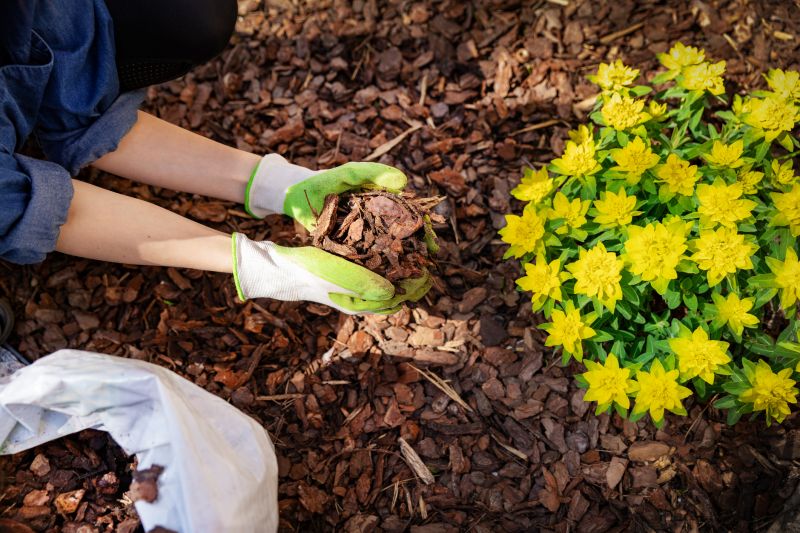
When comparing landscape mulching services, it’s important to consider a contractor’s experience with projects similar to your own. Homeowners should look for local service providers who have a proven track record of handling mulching jobs comparable in size and scope. This can help ensure that the contractor understands the specific requirements of your landscape, including soil conditions, plant types, and design preferences. Asking for examples of past work or references related to similar projects can provide valuable insight into their expertise and familiarity with the kind of mulching you need.
Clear and detailed written expectations are crucial when evaluating potential service providers. Homeowners should seek out contractors who can provide a comprehensive scope of work, including the types of mulch used, preparation steps, and any additional services included. Having these details in writing helps prevent misunderstandings and sets a transparent foundation for the project. It’s also beneficial to clarify the process for addressing questions or concerns during the job, ensuring that communication remains open and effective throughout the project.
Reputable references and good communication are key indicators of a reliable landscape mulching contractor. Local service providers with positive references from previous clients demonstrate a history of satisfactory work and professionalism. Additionally, contractors who communicate clearly and promptly-whether through phone, email, or other channels-are more likely to keep the project on track and address any issues as they arise. It’s important for homeowners to gather feedback from past clients and observe how well the contractor responds to inquiries, as these factors contribute to a smooth and successful mulching experience.
Property owners use Landscape Mulching services for practical projects around their homes and businesses. This guide focuses on everyday jobs and straightforward project options.
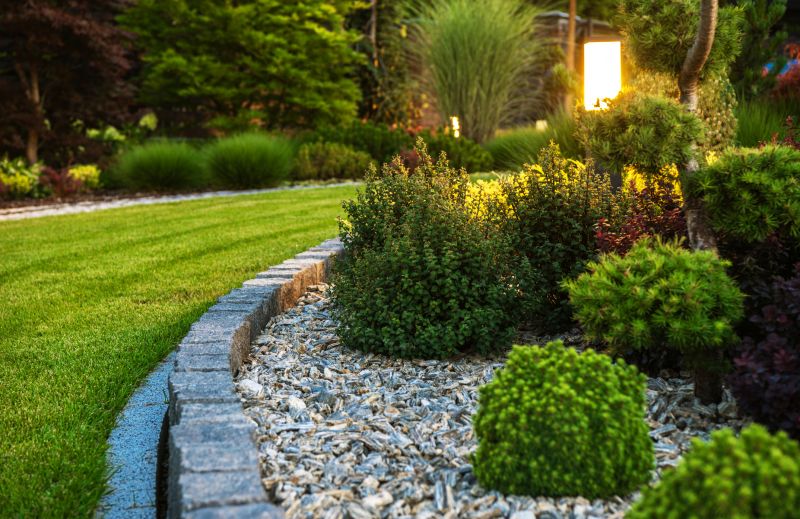
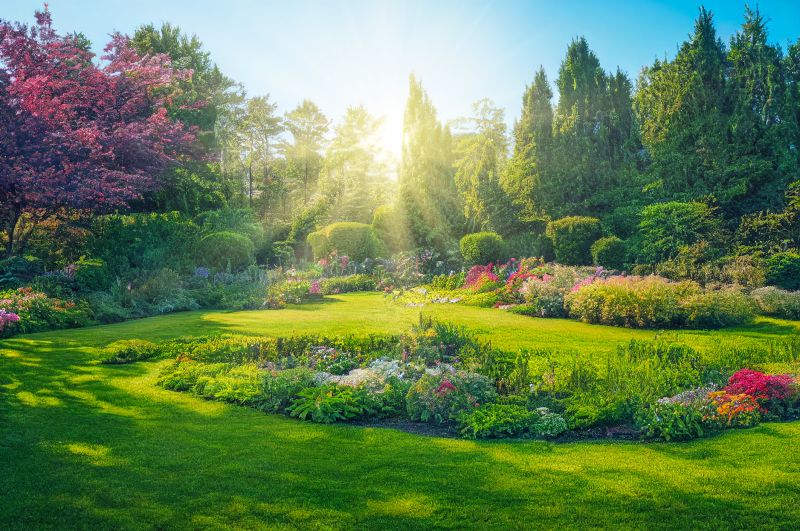
Landscape mulching services are commonly sought after for maintaining healthy and attractive outdoor spaces. Property owners might look for professional mulch installation to improve the appearance of flower beds, prevent weed growth, or protect plants during seasonal changes. Whether preparing for a garden makeover or simply wanting to keep outdoor areas tidy, many residents turn to local contractors who specialize in mulching to help achieve a polished, well-maintained look.
In addition to aesthetic improvements, mulch can serve practical purposes such as soil moisture retention and temperature regulation. Homeowners or property managers may seek mulching services when preparing for upcoming landscaping projects or routine yard upkeep. Local service providers can handle these needs efficiently, offering the expertise to select the right type of mulch and ensure proper application for long-lasting results.
What are the benefits of landscape mulching? Landscape mulching helps improve the appearance of outdoor spaces, suppress weeds, retain soil moisture, and protect plants from extreme temperatures.
What types of mulch are available for landscaping? Common mulch options include wood chips, bark, straw, gravel, and rubber, each offering different aesthetic and functional benefits.
How do local contractors prepare the area for mulching? Contractors typically clear debris, remove weeds, and level the soil surface before applying mulch to ensure even coverage and proper installation.
Can mulch be used around different types of plants? Yes, mulch can be used around trees, shrubs, flower beds, and vegetable gardens to help conserve moisture and improve soil health.
What factors should be considered when choosing mulch for a landscape? Consider the type of plants, desired appearance, durability, and maintenance needs when selecting the appropriate mulch for a landscape project.
Enhance curb appeal - Mulching can give flower beds and garden areas a tidy, finished look that boosts the overall appearance of a property.
Control weeds and pests - Applying mulch helps suppress weeds and can reduce pests around plants and garden beds.
Protect plant roots - Mulch acts as a barrier to temperature fluctuations, helping to keep plant roots insulated during seasonal changes.
Reduce yard maintenance - Mulching minimizes the need for frequent weeding and watering, making yard upkeep easier for property owners.
If you are thinking about Landscape Mulching for a property, this guide is meant to help you understand the work, the typical project types, and how different options might fit your plans.
When you are ready, you can use the quote form on this page to share a few details about your project. From there, local pros can review the basics and respond with options that match what you have in mind.